
Indian Creek Psychological Services · Week 25
Conflict is not necessarily relationship failure
The way a disagreement is handled often matters most.
Understanding the issue
A healthy relationship is not one in which partners never disagree. Differences in priorities, habits, family backgrounds, and emotional needs are inevitable. Distress develops when conflict repeatedly becomes a predictable pattern: one person criticizes, another withdraws, the first pursues more intensely, and both feel abandoned or controlled. The cycle can become the opponent rather than either individual.
What this looks like in real life
Even close, healthy relationships contain differences. Escalation, contempt, avoidance, and unresolved injuries can make those differences more harmful. Respectful conflict allows both people to remain heard while addressing the issue.
What clinical understanding adds
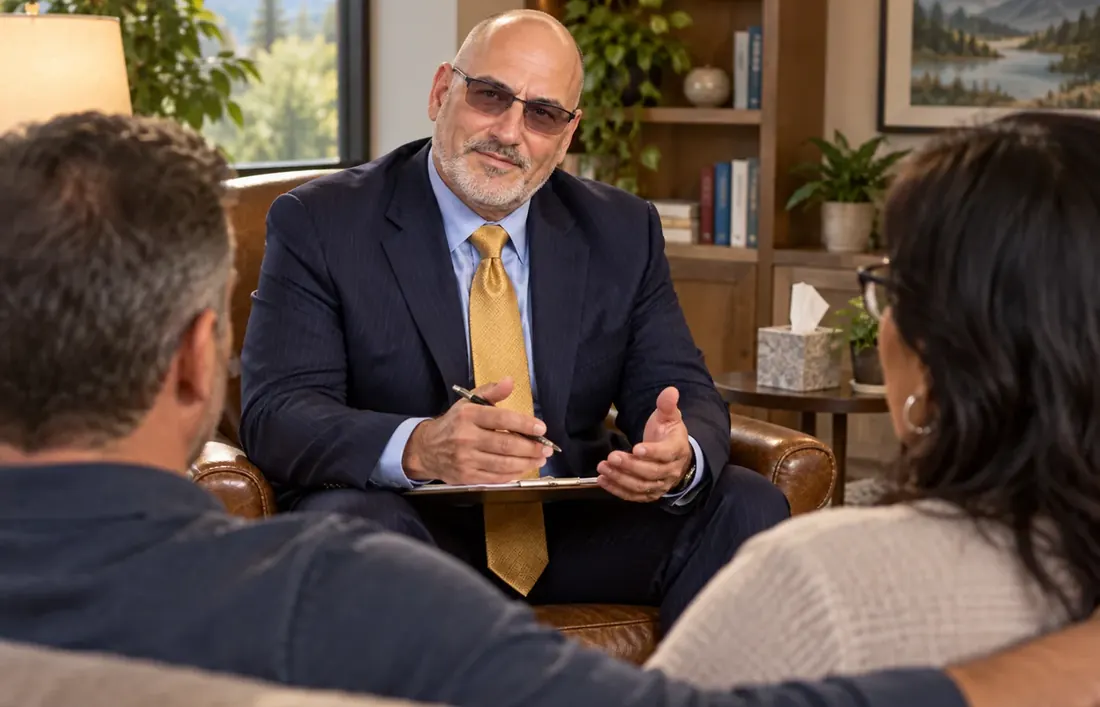
Couples therapy often maps the interaction beneath the surface topic. A dispute about dishes may also involve fairness, recognition, exhaustion, or fear of being taken for granted. Treatment can support clearer requests, emotional safety, accountability, and repair after rupture. If a relationship includes coercion, intimidation, or violence, conventional communication exercises may be inappropriate until safety is addressed. Disagreement itself is not failure; persistent contempt or fear deserves attention.
A practical place to begin
Choose a low-stakes disagreement to practice a different pattern. Before debating the solution, have each partner finish the sentence, “When this happened, I felt ___ because ___ matters to me.” The listener summarizes without rebutting, then asks what would help next time. Look for the recurring cycle—criticism, defensiveness, pursuit, or withdrawal—rather than declaring one person the problem. Agree on a single behavior to test over the coming week and revisit it calmly. If conflict involves intimidation or fear, seek safety-oriented support rather than trying couples exercises on your own.
For general education only. This material is not a diagnosis or substitute for individualized medical or psychological care. If you are in immediate danger, call emergency services; in the U.S., call or text 988 for suicide or mental-health crisis support.