
Indian Creek Psychological Services · Week 36
Telehealth privacy starts at home
A secure platform is only one part of a private session.
Understanding the issue
Telehealth removes travel time and can improve access to psychological services, but privacy does not begin and end with an encrypted video platform. The patient's location, shared devices, household noise, headphones, and possible interruptions all affect the confidentiality of a session. The clinician also needs to know where the patient is physically located because licensure rules and emergency procedures depend on jurisdiction.
What this looks like in real life
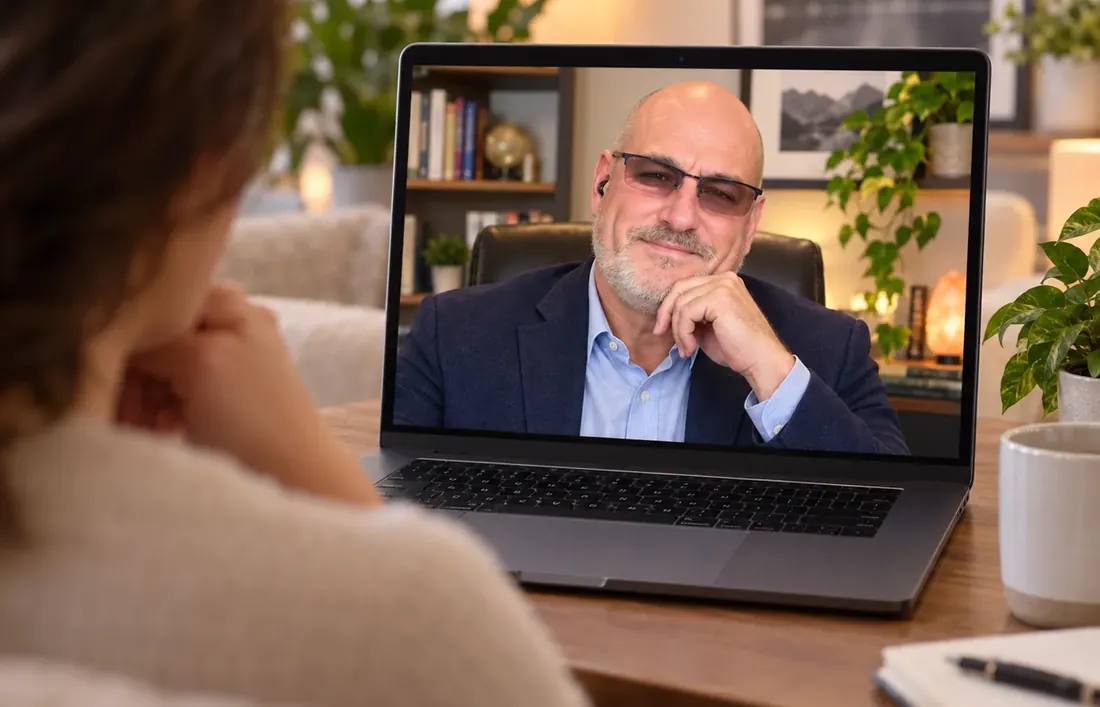
Headphones, a private room, and a plan for interruptions can support confidentiality. Remote services also require attention to physical location, local emergency resources, and whether telehealth is clinically suitable.
What clinical understanding adds
Before a remote appointment, consider whether the room is private, whether someone could enter unexpectedly, and what to do if the connection drops. A clinician should explain the platform, consent, confidentiality limitations, and emergency arrangements. Certain crises or assessment needs may be better managed in person. Telehealth is a clinical delivery method—not a universally appropriate substitute for every treatment setting—and its suitability should be reviewed as circumstances change.
A practical place to begin
Before a telehealth appointment, test the camera, sound, and connection in the location you intend to use. Choose a private room, wear headphones if helpful, and tell household members that you need uninterrupted time. Have the clinician's contact information available in case the connection fails. Confirm that the therapist knows your physical location during the session and has explained emergency arrangements. Avoid joining from an unsafe or distracting setting, especially while driving. If privacy cannot be protected or the clinical situation requires closer observation, discuss whether an in-person visit is more appropriate.
For general education only. This material is not a diagnosis or substitute for individualized medical or psychological care. If you are in immediate danger, call emergency services; in the U.S., call or text 988 for suicide or mental-health crisis support.